
Growth marketers are often asked to create lead magnets that go beyond what standard tools like Tally, Typeform, or Heyflow can offer.
Whether it’s an ROI calculator, a personalised assessment, or an on-brand survey, these tools sometimes fall short — either because the logic is too complex, personalisation is needed, or the visual branding isn’t flexible enough.
This kind of work is often referred to as engineering as marketing — building tools that deliver value upfront while capturing leads.
Here’s how my process typically looks when I build such tools:
Write a detailed brief with KPIs, messaging, and user flow
Design in Figma
Hand it over to a developer to code
Deploy the code on the website
It works, but it takes time.
Developers are always busy, and small tweaks often turn into long waits.
So I wondered: Can Lovable replace the developer step in this process?
Could it help me:
Save me time
Reduce complexity
Involve fewer people
Built without depending on developers
My goal:
A fully functioning lead magnet that looks 100% the same as my Figma design - and integrated seamlessly with HubSpot.

I used Lovable in this example, but I also experimented with other tools like ChatGPT, Grok, and Windsurf.
Windsurf stood out because it connects directly with Figma via an MCP server, allowing you to import your design without needing a separate tool like Builder.io.
But that’s a topic for another time.
Here’s how it went:
1. Design
I used Builder.io to import the Figma designs in Lovable.
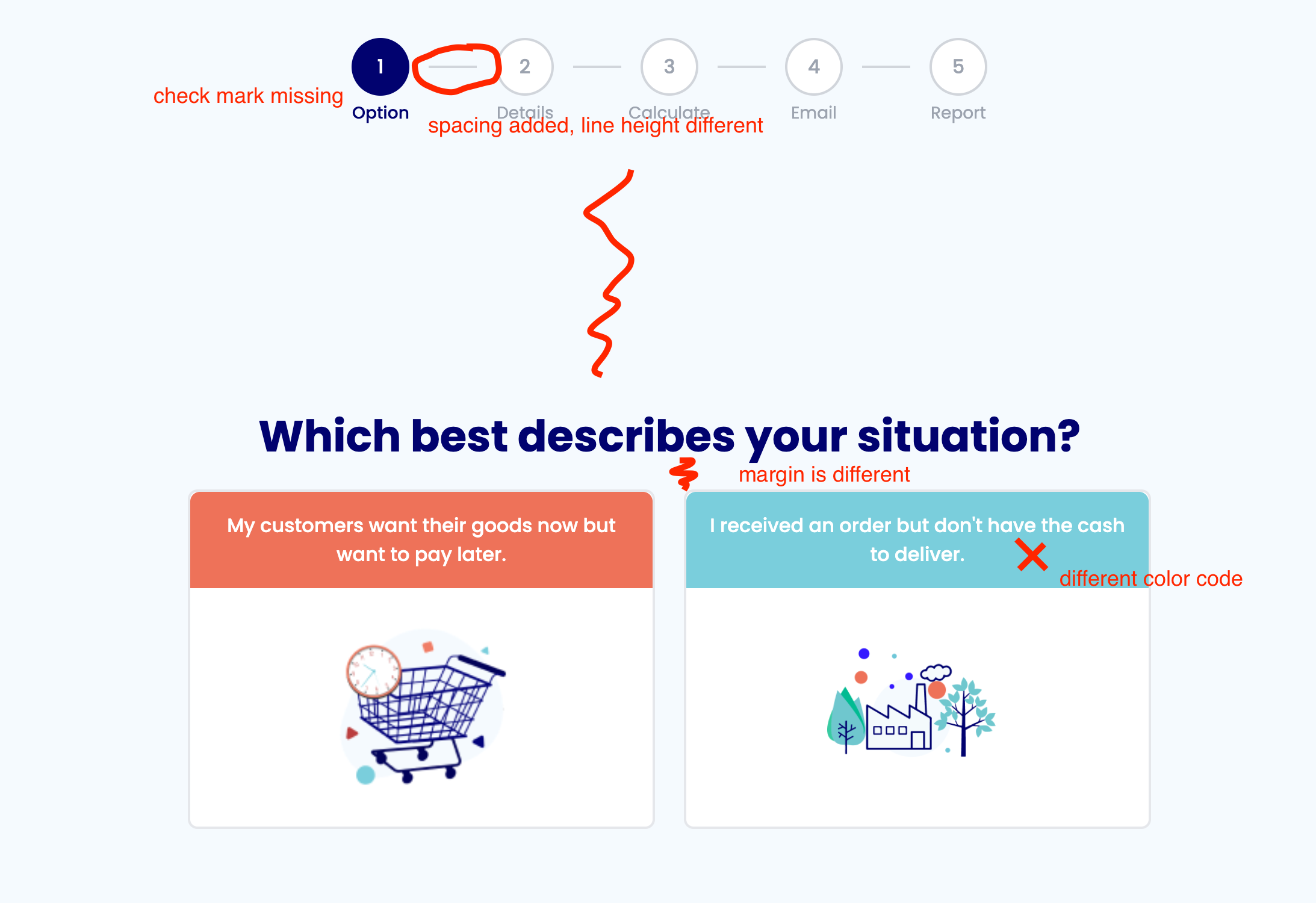
While the import worked, it required significant cleanup. I had to fine-tune the design using prompts — a lot of prompts (sigh).
In the end, the result was close to the original Figma file, but not 100% pixel-perfect.
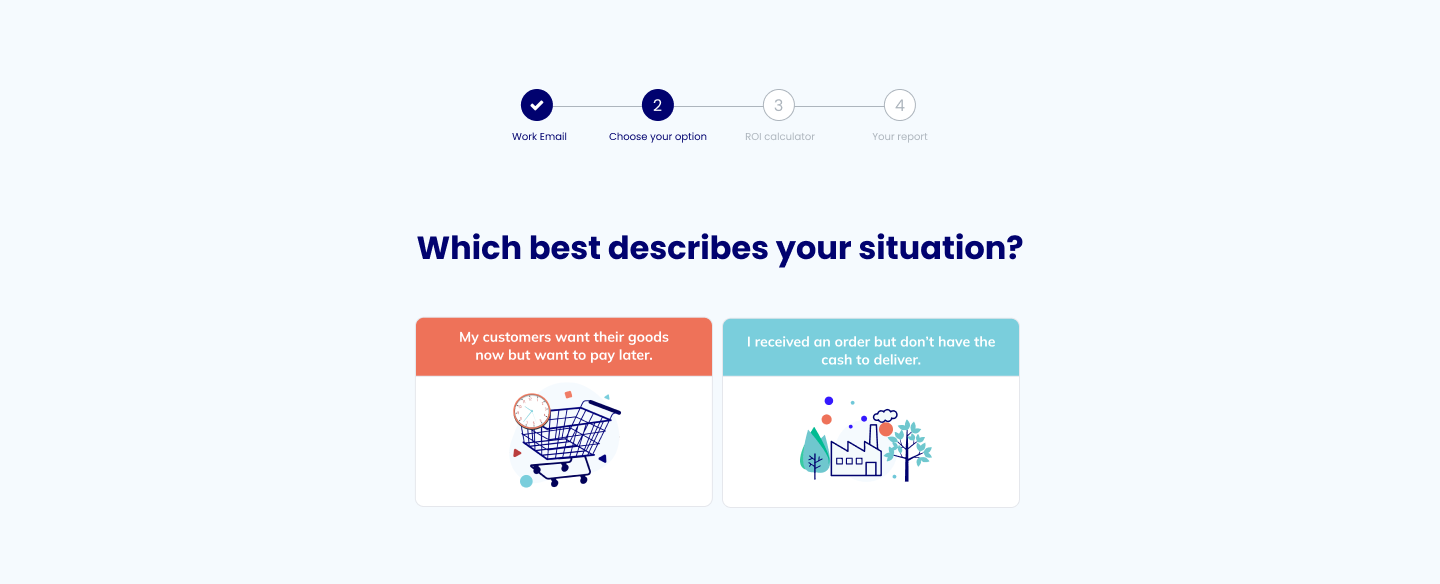
For example, I couldn’t get the colour codes to match precisely.
Compare Figma design:
vs. Lovable result:
2. Budget
Lovable: I bought the Pro plan (50 USD) and needed to additional credits, bringing the total to 100 USD
Builder.io: 24 USD for 1 month
3. Complexity
Lovable is intuitive, but it takes a bit of trial and error. You need to learn how to prompt effectively.
4. Time needed
Creating a multi-page app with dynamic logic takes time — even with AI.
In my case: 8 pages + a dynamic result page based on answers + HubSpot integration.
We spent a few days getting everything to a good, working version.
5. Publishing
In Lovable, you can publish a project directly on a custom domain, but you can also export the code and host it yourself.
Exporting the code means you can self-host and cancel your Lovable subscription, as long as you don’t need to edit the project later within Lovable.
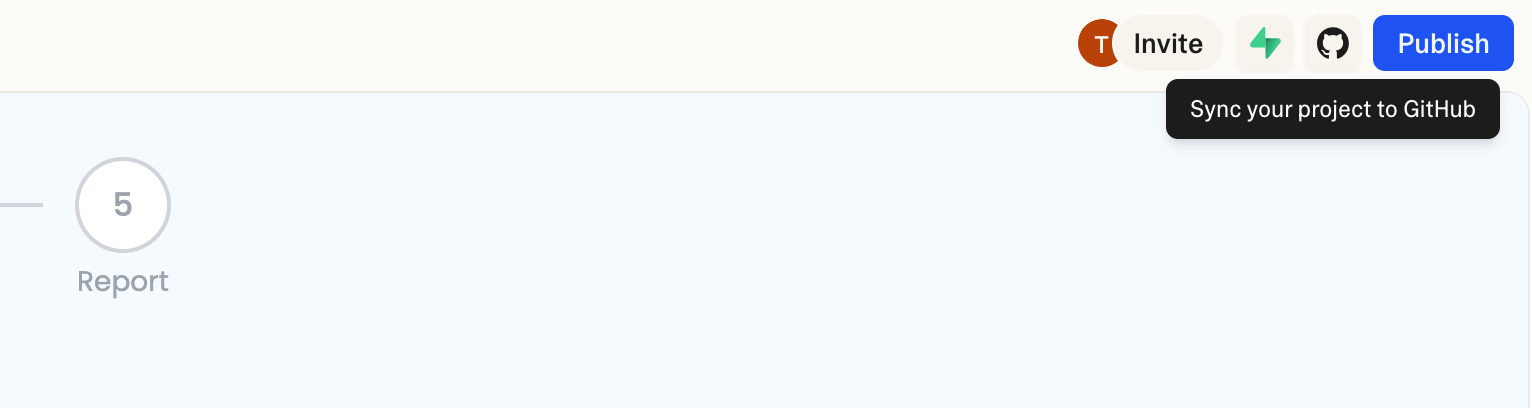
To export, you first publish to GitHub from within Lovable, then download the code from there.
I handed the code over to a developer for final deployment. He checked the code quality and was happy with it. It needed some clean-up, but it was usable.
See the result:
Final verdict:
Lovable is a game-changer for non-technical marketers.
It allows you to build complex, personalised lead generation tools without needing to code — or at least, without starting from scratch.
Through prompting, you can even connect it with HubSpot (or other tools).
Even if you still need a developer for final deployment, you’re giving them a solid codebase to work with. That saves time, increases speed to market, and reduces costs.
A few months ago, building something like this would’ve been complex.
Today, it’s within reach for solo marketers and small teams.
Have you tried Lovable or another AI tool for interactive lead magnets? I’d love to hear your experience.